
Questions by Tara Sanders Brooks & Tema L. Staig
Johanna Coelho, AFC
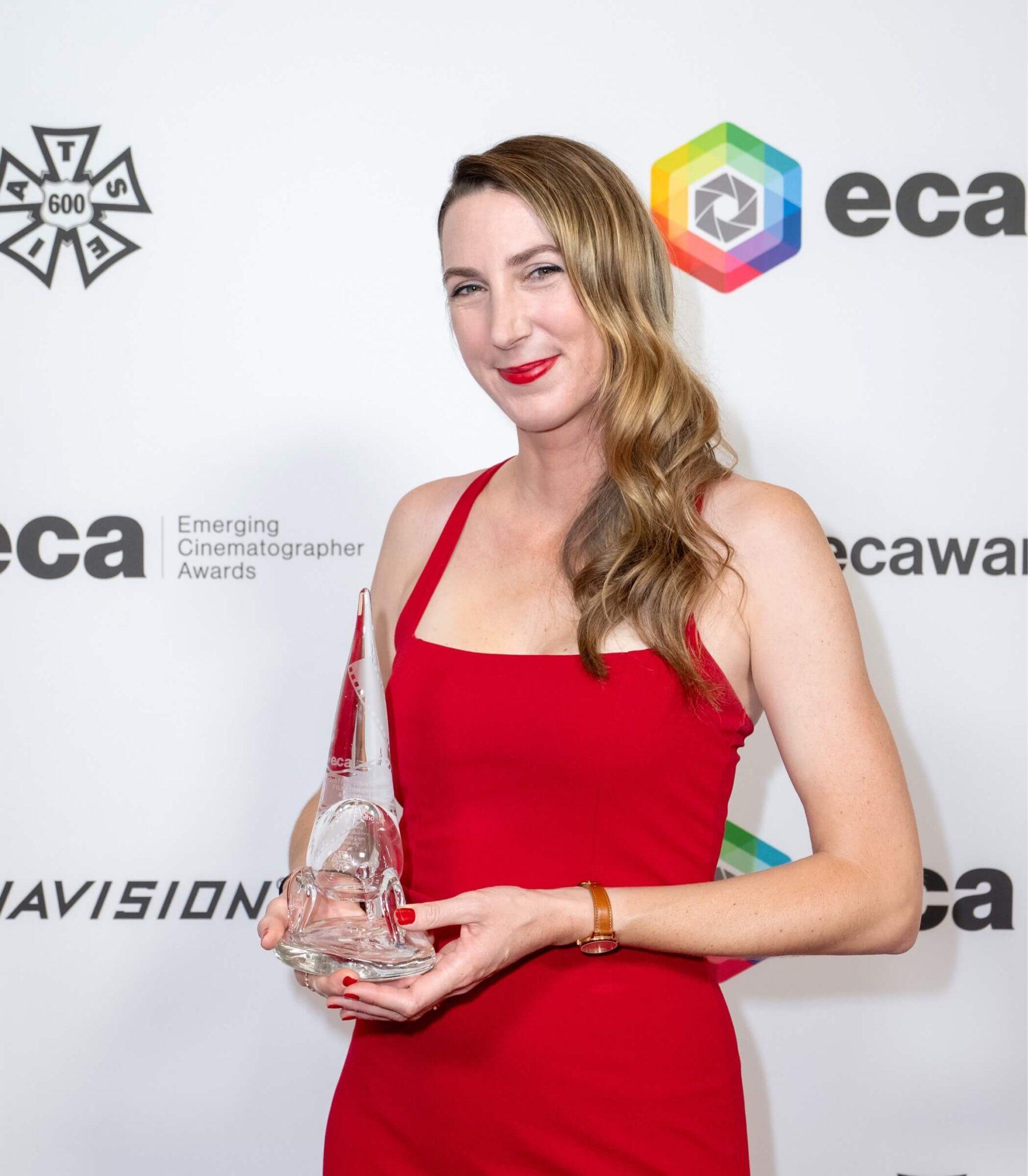
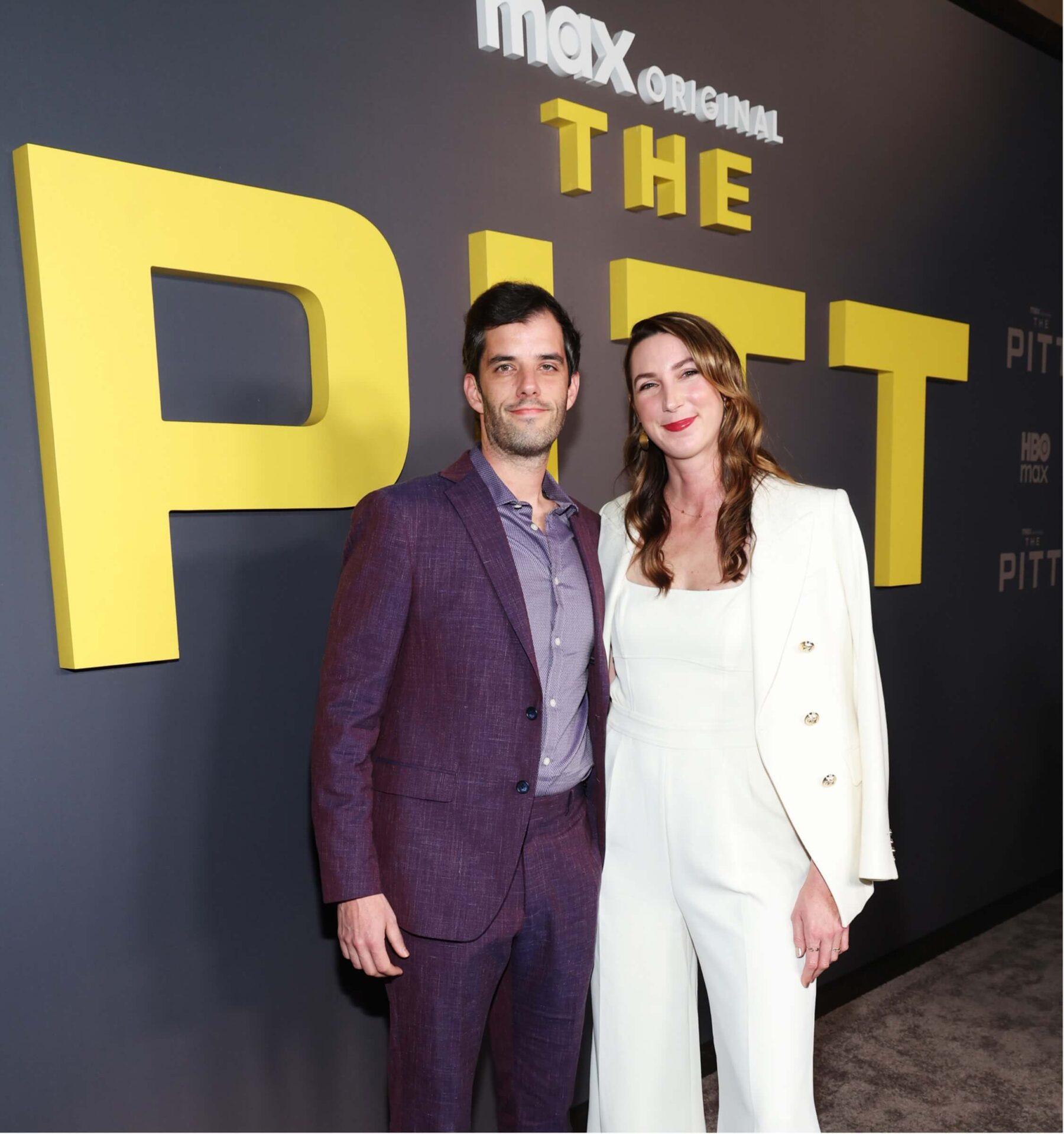
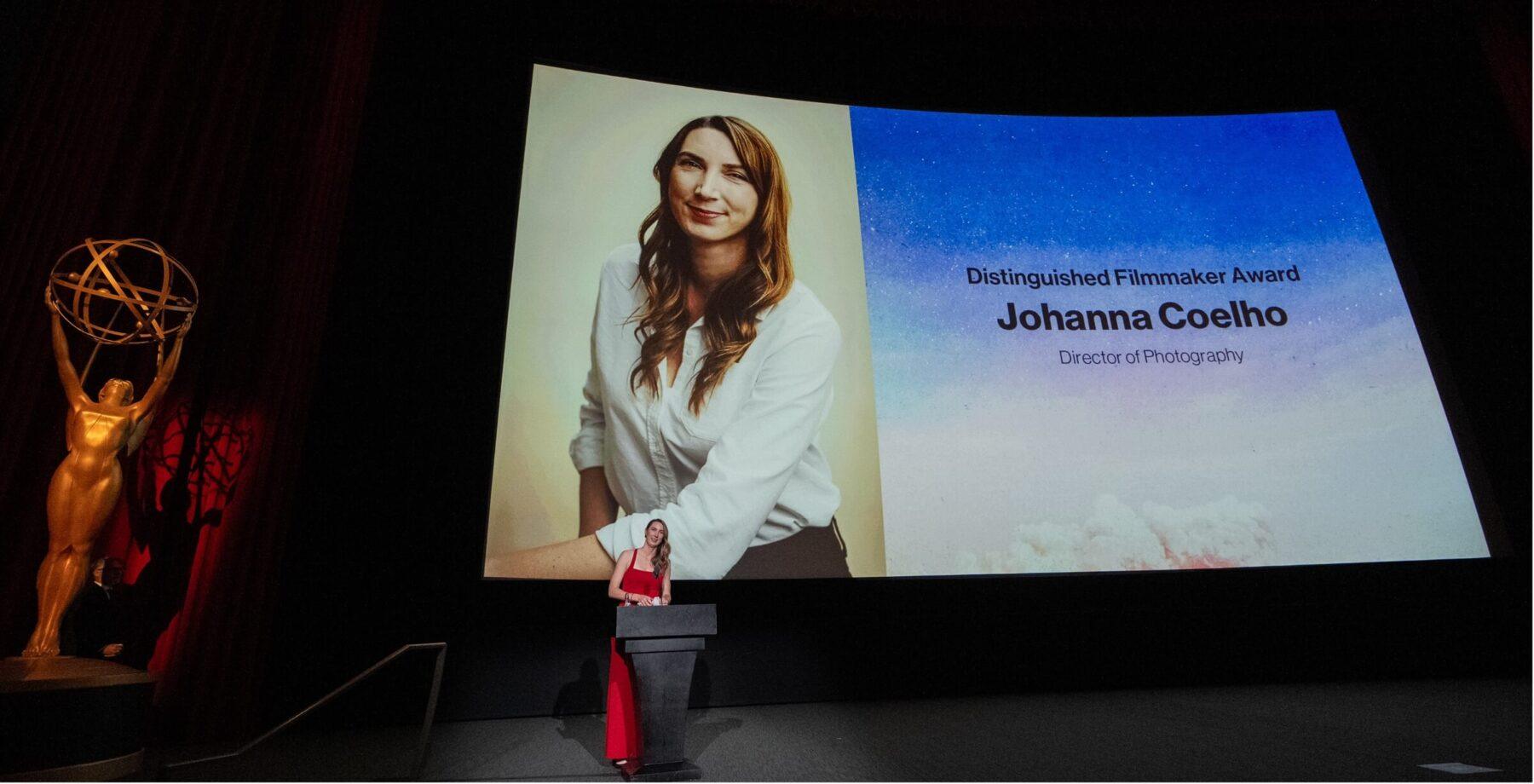
Johanna Coelho has led a versatile path as a cinematographer, shooting narrative, documentary, and reality. A graduate of AFI, she has gleaned wisdom from the best of the best and has brought that into her exceptional work on hit shows such as The Rookie and The Pitt. Coelho was named an Up Next Filmmaker by Variety in 2018.
What drew you to pursuing cinematography as a career?
I’ve always been curious about every craft and career. One week I wanted to be a doctor, one week I wanted to make wedding dresses! I didn’t like the idea of having to choose only one job, as I wanted to explore all of them.
When I was a teenager, I started to casually make small films with friends and I realized I could learn about anything behind the camera. Choosing this career would let me explore many jobs, cultures, and people. I wouldn’t have to choose. I also truly love collaborating with people and telling stories, so I completely fell in love with cinematography. Every story needs its own visual language and accomplishing that requires rules that the creative team agrees to. On the Pitt, to fit into the realistic documentary feeling, we decided to have no wild walls, despite shooting on sound stage. We wanted to constrain our camera moves and angles that could only be accomplished in a real location.
Did you have any early mentors who helped you along the way?
It’s important to have someone who you look up to guide you. I still keep in touch with: Bill Dill, ASC and Stephen Lighthill, ASC. Bill taught me how to handle situations where you feel that you are losing control over the craft. Sometimes on set you are pressured with a lot of questions that make you lose track of what you originally were trying to achieve. I use his advice to step away, take a breath, and come back in with fresh eyes and a clear mind. Stephen was really good about pushing a visual language for tone, feelings, and taking a position on the story telling.
My ASC vision mentor was Mark Irwin, ASC in 2020. He was very present for specific questions about visual effects and stunts when I was alternating DP on Season 4 of the Rookie. I could bounce ideas off of him, and he would give me his perspective and advice.
What is your best nugget of advice from your time at AFI?
You work with a lot of people in a short amount of time, which teaches you to adapt fast to different personalities and sensibilities. Don’t take things personally. If there is a conflict, it’s very hard to create a cohesive vision. Sometimes it’s important to be the bigger person. Staying professional is key.
Take your time at school to experiment with visuals. The testing phase in prep is when you learn what will work or not. You don’t want to do it “on the day”.
What is the best advice you can give to young female and non-binary filmmakers looking to pursue a career in film?
The number of times I didn’t trust my guts and my eyes was always a mistake. Through hard work and experience, I gained a level of confidence that pushed me even further in my creativity. While shooting my first film at AFI I felt distracted by everyone’s ideas instead of mine, and it led to a movie without visual coherence. I was so disappointed in myself for not creating what I had in mind, that I put a lot of pressure on myself for my next film at AFI, the 16mm MOS project. I finally was able to execute what I had envisioned, which truly empowered me and gave me confidence for future productions.
Embrace every kind of project. The path is rough! Do not narrow yourself to one type of project only. Say yes to many things as long as they are safe. You will grow your network to be much bigger, which will be helpful in the future.
You have worked in reality, documentary, and narrative. How do these compliment each other, and can you speak to the challenges of going from one to another?
Each of these cinematography categories have their own approach.
Reality helps you develop your instincts, work with a limited location for lighting and keep your eyes on everything at all times. I worked as a camera operator on the shows Starting Strong and Dating Around S2. I had to listen to what was said and be ready to adjust my framing to capture important moments.
Documentary teaches you to improvise, make meaningful framing compositions in a limited time while staying grounded to the story you’re telling. I shot a documentary on a tattoo artist (unreleased) who was going through cancer. When we shot in the hospital for his treatments, we used very different framings than the ones of him in his natural environment in the world.
Narrative really lets you explore perspective even more, as well as elevate your visual storytelling and lighting approach.The Pitt is a perfect example of that, creating a precise visual language in a 360 lighting environment that immerses you inside the story while following the perspective of characters.
In a way, each category teaches you something that you will need to excel in another. You’ll be able to create better work at a faster pace and embrace the story in unique ways.
What did you learn from The Rookie that you’ve been able to take to The Pitt?
My TV debut on The Rookie taught me a lot about shooting efficiently while fighting for a cinematic look, as well as managing a bigger team and handling politics on set. Creating the visuals of a project is only a portion of a cinematographer’s job. Leadership, adapting and problem solving are key requirements to make everything work within the time required.
Working on The Rookie taught me to develop a strong approach to shooting and lighting with multiple cameras, as well as working with stunts and special effects. For example, we shot a scene in Season 4 where Nolan, Bailey and Lopez are walking towards a house that suddenly explodes in front of them. The effect was mostly practical and there was a lot of prep and communication between the special effects, the stunts and the camera department. The timing needed to be right for the explosion. We only had one take and 4 cameras (+ some GoPros, unused in the edit) to capture the moment, and we needed to set up at a safe distance. I learned how to plan for difficult shots and capture them under pressure.
I also learned how to shoot fast, finding the right balance between elevating the visuals while making the right concessions. I got the opportunity to collaborate with different directors on the same project, forcing myself to constantly adapt while maintaining good visual guidance. I took all of these insights with me to The Pitt, and it made me a better cinematographer.
What is the project you are most proud of and why?
I think The Pitt is my most proud project because of how exciting the collaborations and the visual storytelling on it have been. Thinking of how to fully immerse the audience and give them the feeling of perspective was a challenge.
We had to work closely with different departments to share tight spaces and allow us to get as close as we could to our characters. It was challenging to do a full show with the handheld look, and I was afraid it would take the audience out of the story if the handheld was too intense. Thankfully we used the ZeeGee rig to do our long and challenging moves on our A camera, which allows us to keep the handheld feel while not feeling the camera operator’s steps. We also created some 3D printed tools to help us control the light in the 360 environment, such as magnetic diffusion frames that can go on and off really easily on the ceiling lights, as well as magnetic diffusion cups on the cans. We also made custom onboard lights on the camera mattebox (left and right side) that are bi color and that we can fully control during a shot, which helped us give an eyelight or fill in faces a bit when needed.
Altitude Award winner Aymae Sulick has worked as camera operator with you on The Pitt. Tell us about how she came to work on your crew and your collaboration.
Aymae and I had heard about each other for a while, but we never had the chance to meet until a couple of months before I interviewed for The Pitt. After a Rare Breeds camera event, we connected for coffee and I’m glad we did. When The Pitt came along, I thought immediately about working with Aymae. She was always highly recommended for her professionalism and amazing attitude on set. In addition, I loved that her work was so diverse (narrative, Documentary, Reality) and we needed someone exactly like her for the B camera position. Aymae is a key part of our show and we are very lucky to have her.
What do you look for in a crew member when hiring? What are the top traits?
I try to get personal referrals from colleagues when I am looking to hire someone new. That’s often the best way to get feedback to see if it will be a good fit.
I I always look for people who are excited to be a part of the project, work together as a team and who are respectful.I believe working on set is an ongoing learning experience. Therefore, curiosity and desire for growth are as important as technical abilities. The film industry hours are long, and a crew spends a lot of time together. It’s important to work with people who make the work day more enjoyable while being professional.
I appreciate autonomy. A crew member should be able to anticipate their job under the guidelines they have been given, and this initiative helps support the department greatly.

