
Questions by Tara Sanders Brooks & Tema L. Staig
Amy Ward
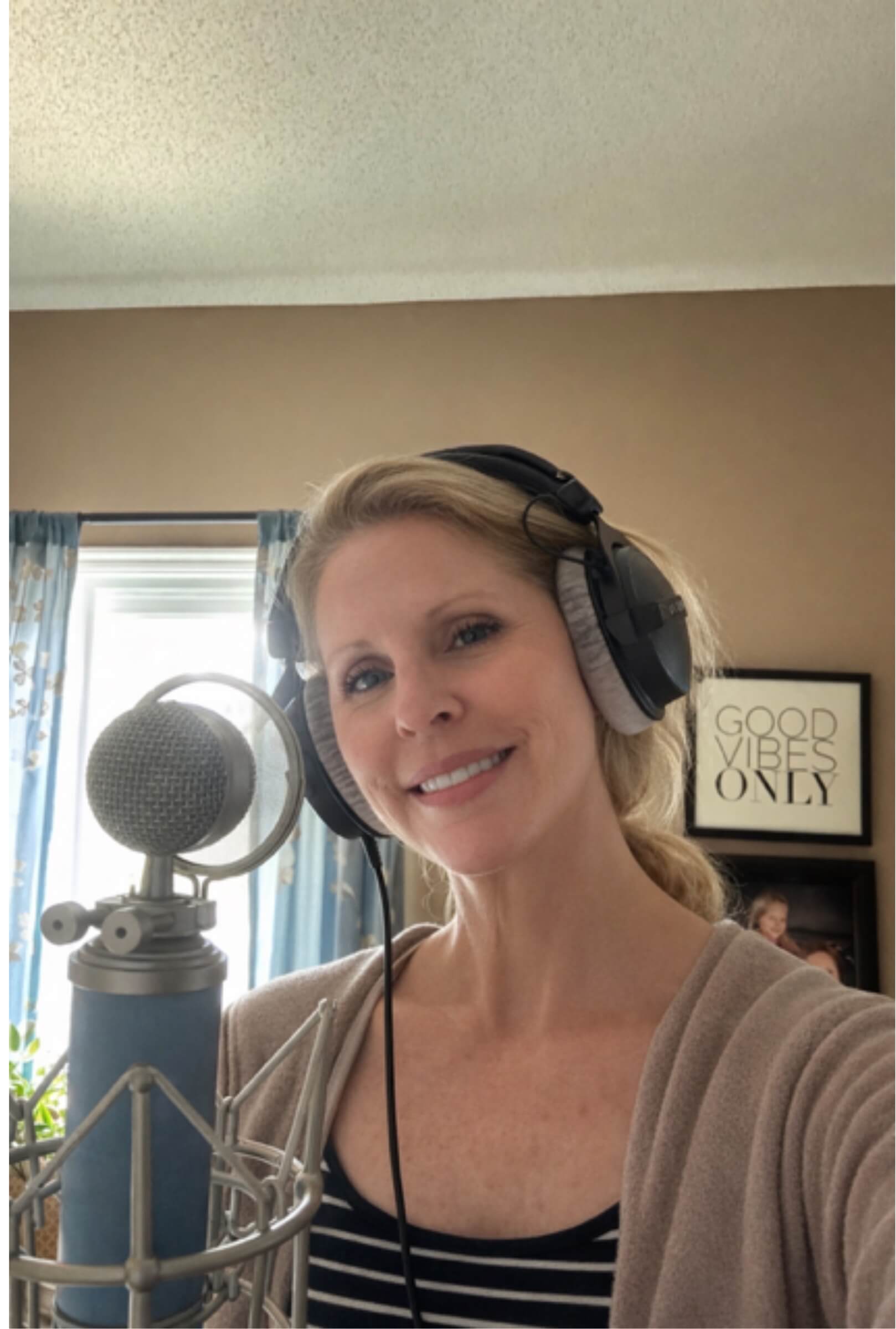
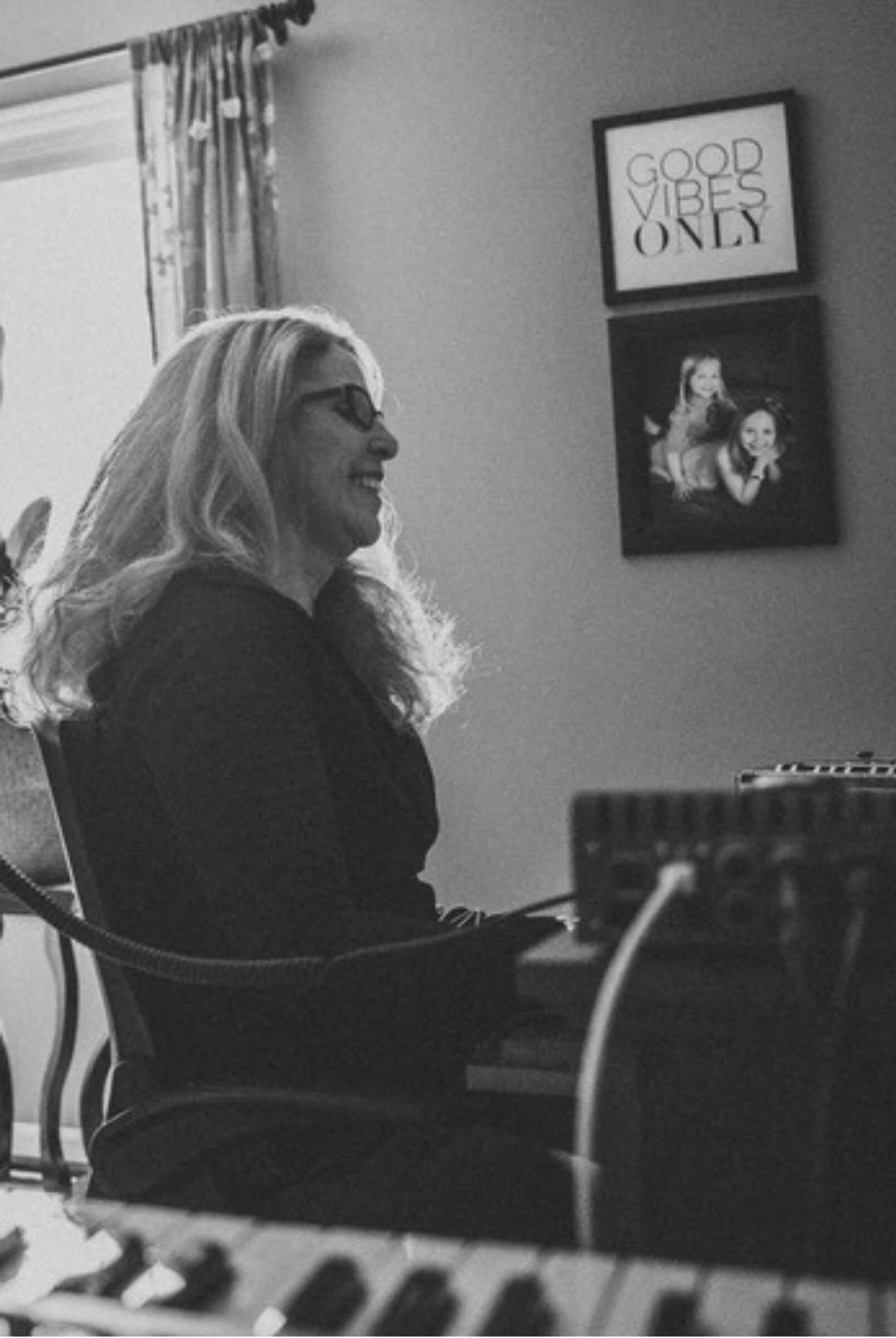
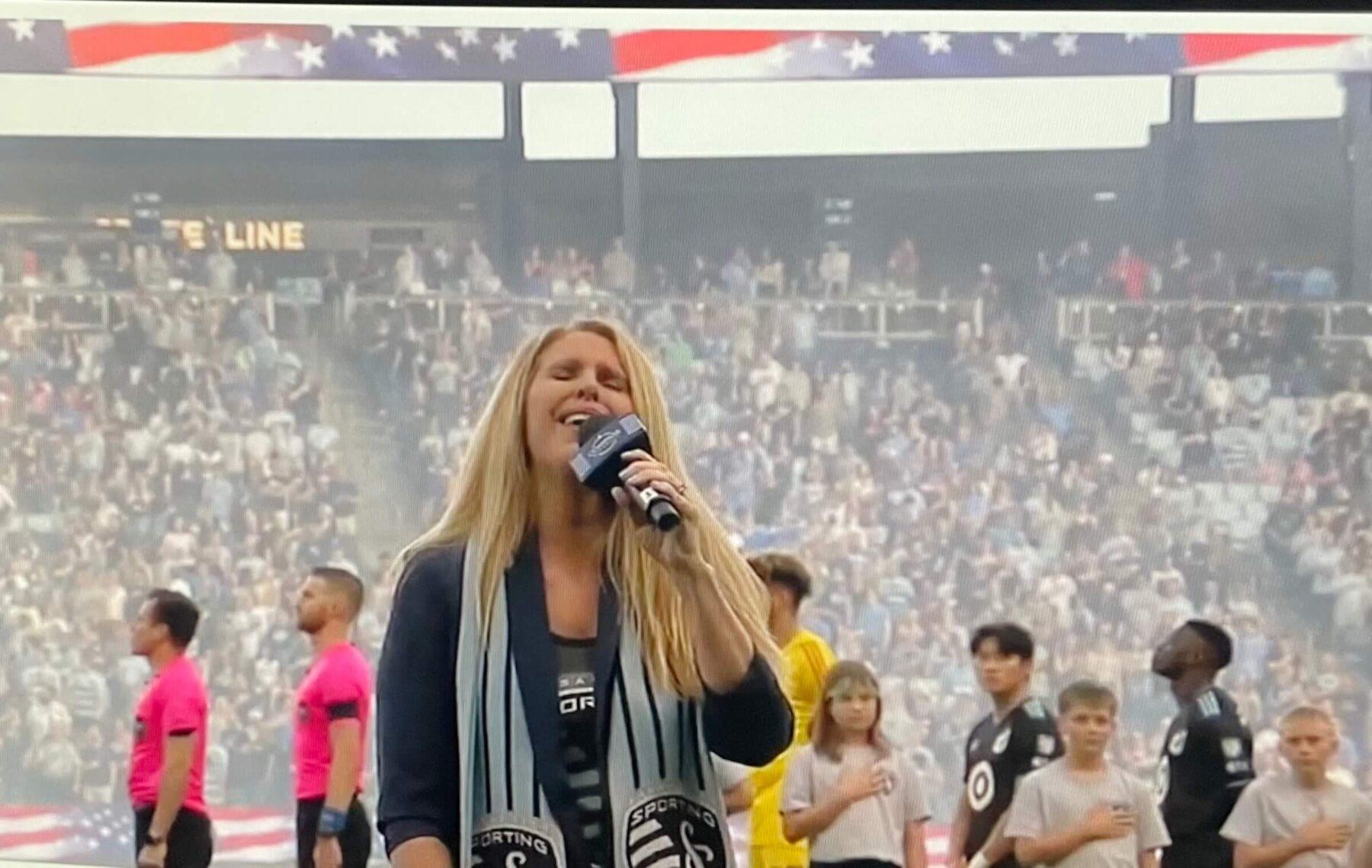
You have heard Women In Media member Amy Ward’s music before. The songwriter has had songs in over one hundred television shows and films. A singer and producer as well as writer, Ward has performed at large venues such as Madison Square Garden and Kauffman Stadium. Her most recent work includes music in the upcoming film Viral, directed by Blair Underwood, and A Tooth Fairy Tale, directed by Michael Johnson and available on streaming platforms.
How did you discover your interest in music and film/tv?
My introduction to music for film and television happened unexpectedly right after my time at Berklee College of Music. I attended an alumni event in New York City and performed. Barbara Jordan, my former Berklee professor, approached me afterward and asked for a demo. The very next day, she called to say she had a placement opportunity on CBS’s “Young and the Restless” for one of my tracks, “People Can You Feel It”. That song also aired on “One Life to Live” and “All My Children”. That moment was a turning point. It sparked my interest in music that would be paired with tv, film, ads, and video games, also known as “sync”. It opened the door to learning how to write music for picture.
Your music was used in fourteen episodes of General Hospital. Tell us about the sound the show aimed to create and what that process was like for you.
Most of the placements were for restaurant and bar scenes, so the goal was to create music that felt natural to those environments—ambient, laid-back, and contemporary. The key was to support the tone of the scene without distracting from the dialogue, so everything had to sit in that sweet spot: present enough to add atmosphere, but subtle enough to let the story lead. From a writing and production standpoint, it really sharpened my ability to create mood and texture in a more understated way, which is a big part of successful sync writing.
Did you have any early mentors who helped you along the way?
During my time studying songwriting at Berklee College of Music, I was fortunate to be surrounded by incredible mentors, particularly John Aldrich in the Songwriting Department, as well as fellow students. They helped shape my foundation as a writer, vocalist, and producer.
What’s the best advice that you’ve received as a songwriter and composer?
One piece of advice I received early on from John, has stayed with me throughout my career: “50% of something is better than nothing.” It’s a reminder that progress in career opportunities matters more than, say, the perfect contract. If you turn down a contract because it’s not as favorable as you’d like, you may be turning down an opportunity that might lead to something better. In songwriting and composing—especially in the fast-paced world of sync—being open to opportunities and continuing to create is essential.
You are also an accomplished performer. What translates from live performance to songwriting?
Live performance absolutely informs my writing. Performing the National Anthem for the NY Knicks at Madison Square Garden taught me, in real time, what connects with an audience. I’m always thinking about emotional impact and how a song will translate beyond the recording. What makes people feel something, what lyrics land, and what melodies stay with them teaches you what unites the audience to the performance.
It’s similar to an actor stepping behind the camera. Having that perspective gives you a deeper understanding of the full picture. As a performer, you learn how to deliver a moment; as a songwriter and composer, you learn how to create it. Those roles are very connected, and developing one skill makes the other stronger.
You’ve written for television, film, and now, an animated film. Do you approach these mediums in different ways?
With film and television, the story always comes first. You’re not just writing a song you love—you’re writing something that serves a specific scene, emotion, or character arc. That means paying close attention to tone, pacing, lyrics, and even production choices so everything supports what’s happening on screen.
For sync, I often start by thinking about the short descriptive visual and musical summary that I receive from production, known as a “brief”. What is the mood, who is the audience, and where might this live in a scene? From there, I build the song around a clear emotional direction, keeping the structure flexible so it can be easily edited for picture. Clarity in the lyric and a strong, immediate tone are really important.
With animation, there’s often an added layer of storytelling, and sometimes a bit more creative freedom in tone or style. You have more input. I got to see the early stages of the animation before I started writing. I get a script – which isn’t common for soap operas, by contrast. But at the core, it always comes back to the same goal—enhancing the story and making the moment feel more impactful.
What is your favorite kind of project to write for?
I’ve always felt a strong connection to children’s stories and films. There’s something really special about creating music that becomes part of how kids experience emotion, imagination, and storytelling. As a parent of two girls, that connection has deepened even more. It’s made me even more passionate about writing for animated films and Disney-style projects. Being able to contribute to stories that inspire, uplift, and stay with young audiences is incredibly meaningful to me.
How do you approach something like your latest animated film, A Tooth Fairy Tale?
I’m especially proud of “Take Flight” from A Tooth Fairy Tale. The song is about perseverance and not giving up on yourself. Life has peaks and valleys! While I was writing “Take Flight”, I was dealing with vertigo and inner ear issues, which made it difficult to look at a screen for extended periods, but I refused to give in. That experience pushed me to trust my instincts even more and focus on the heart of the song. I truly believe adversity can strengthen your creative voice.
IWhen I sent the demo to the production team and they came back with no notes/changes – it was such a rewarding moment. It let me know I had captured exactly what they were looking for.
The song was a GRAMMY® contender in two categories—Song Written for Visual Media and Song of the Year. It was also recognized as a contender by the Society of Composers & Lyricists for Outstanding Original Song for a Dramatic or Documentary Visual Media Production. It was incredibly meaningful to see the song resonate on that level, especially as part of a project that I felt so personally connected to.
What is the best advice you can give to young female and non-binary musicians looking to pursue a career in film?
Own your voice and don’t wait for permission to use it. The film and TV industry needs diverse perspectives, and your unique point of view is your greatest strength. Focus on building your craft, but also on building relationships. This is a collaborative industry, and the connections you make matter.
Don’t be afraid to take up space, ask questions, and advocate for yourself. There may be moments where you’re the only one in the room who looks or thinks like you—that’s not a weakness, it’s an advantage. And most importantly, stay consistent. Opportunities often come from simply showing up, delivering, and being someone people trust to work with again.

