
Questions by Tara Sanders Brooks & Tema L. Staig
Jesse Averna, ACE
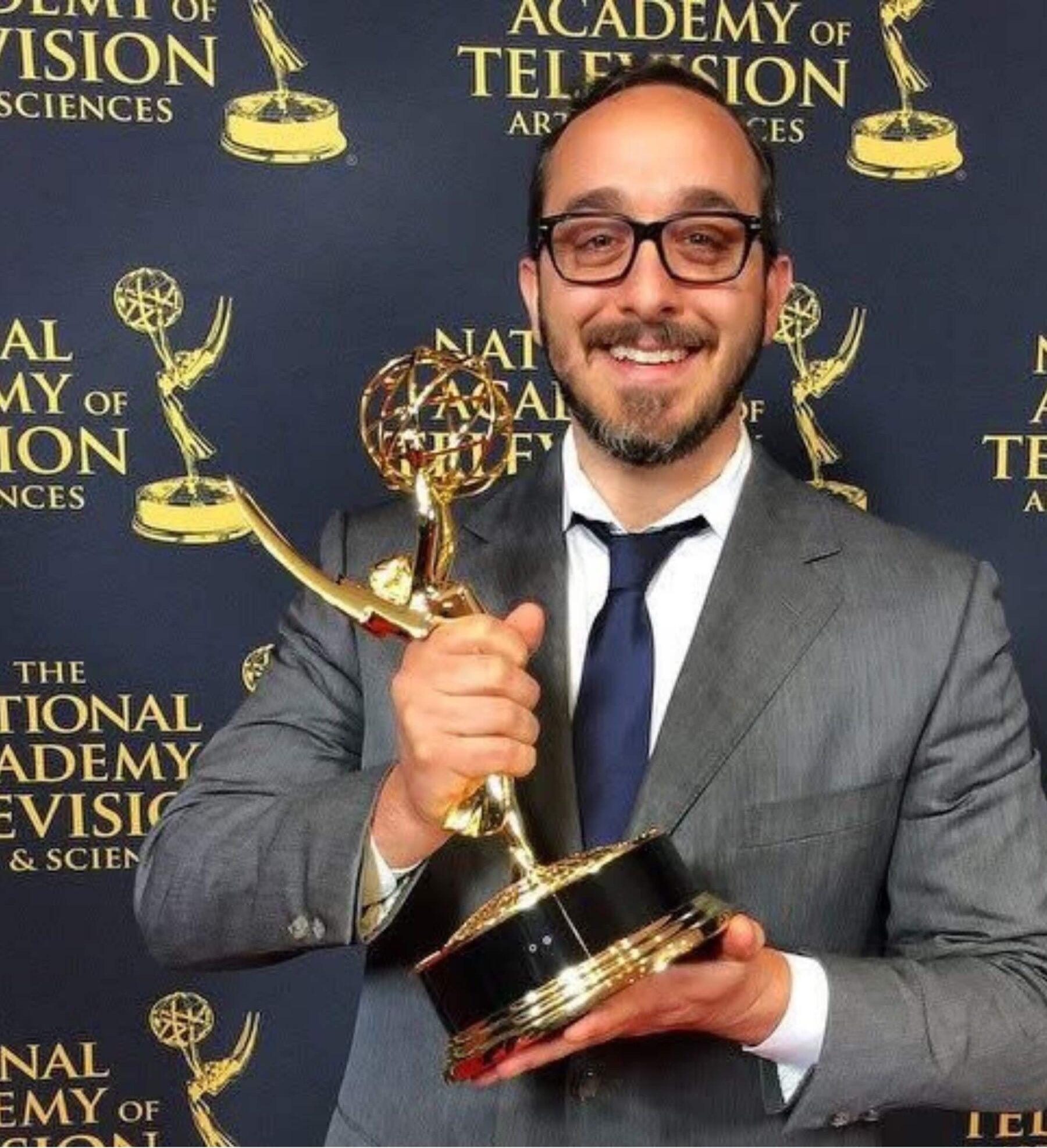
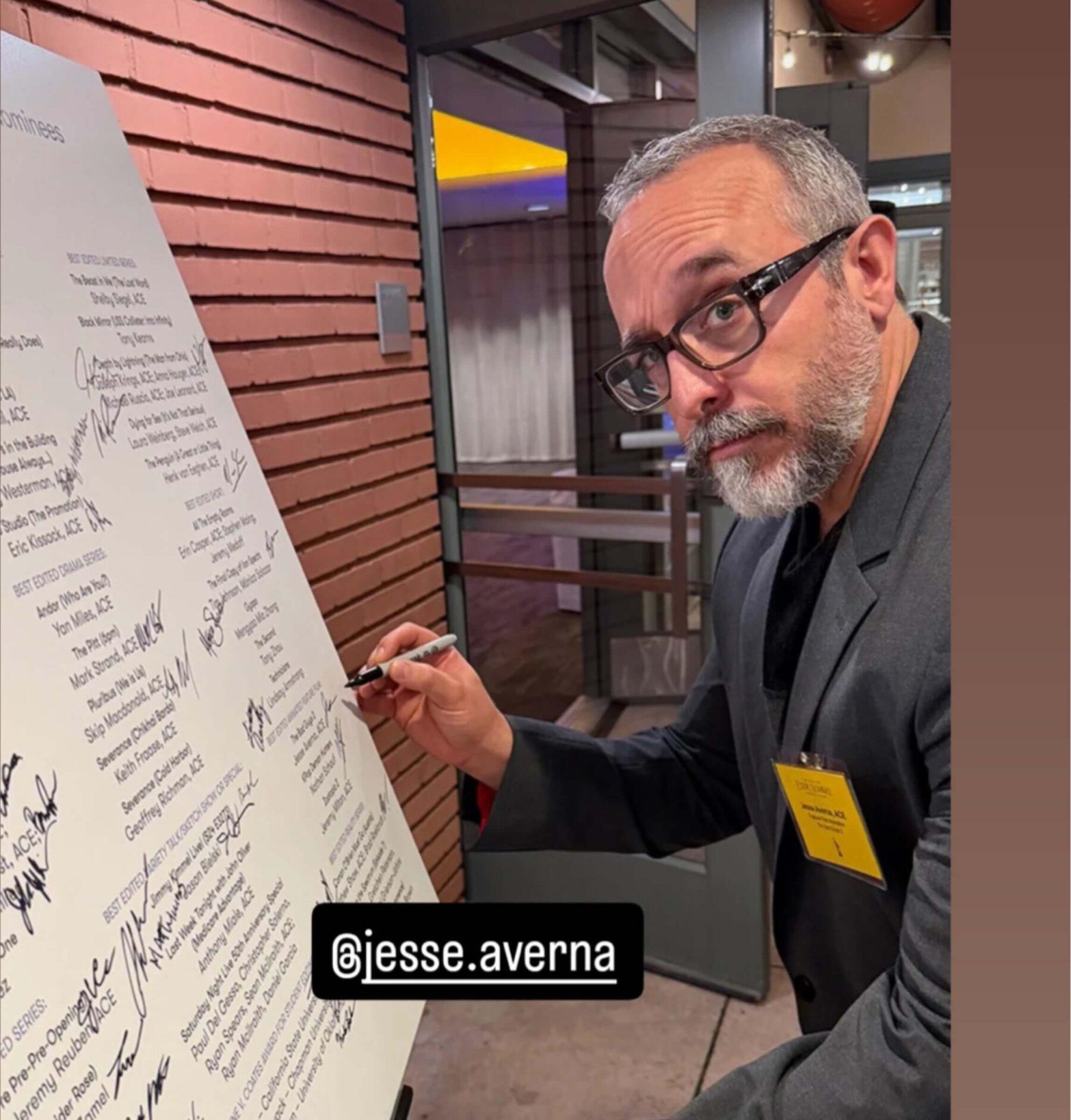
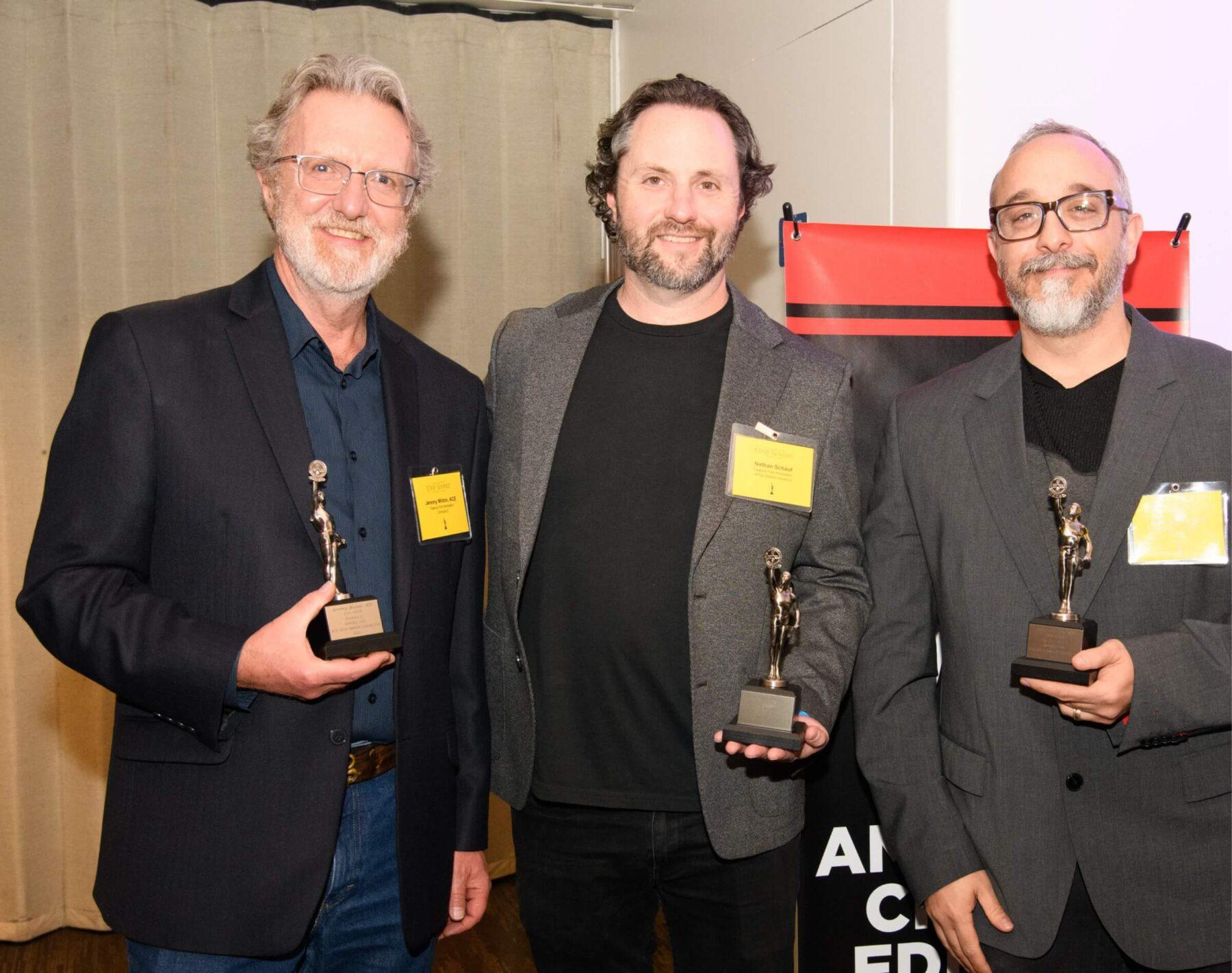
Women In Media Advisory Board member, Jesse Averna, ACE has cut for film and television, live action and animation. His work on Sesame Street landed him five Emmy wins. Most recently, Averna’s work on The Bad Guys 2 has garnered him an American Cinema Editors Eddie nomination.
Women in Media was able to speak with Averna about his career and inspiration as an editor:
What drew you to pursuing filmmaking as a career?
I’ve always been obsessed with movies and TV. As a kid from the 80’s and 90’s, I don’t think that’s unique. During high school, though, I was introduced to editing via two VHS decks connected to each other. That opened the ability for me to make my own content. I would spend weekends shooting and editing short skits and music videos with my friends. We’d bring those videos to different get-togethers and parties. I think it was hearing those audiences laugh and ‘ooh’ and ‘ahh’ that became the thing I was chasing. The material and the audiences have changed, but I’m still that kid.
How did you figure out you wanted to be an editor?
Filmmakers like Michel Gondry, Spike Jones, Chris Cunningham, and David Fincher were very influential to me during those developmental years. Their music videos were like magic tricks. I wanted to crack them and make my own. Even at School of Visual Arts film school, most of my work was experimental– I was trying to make magic tricks on screen.
In features, editors like Jill Bilcock, Thelma Schoonmaker, Carol Littleton, and Sally Menke were making movies that used editing in an emotionally cultivating way that captivated me. Jill’s use of montage in Moulin Rouge was dizzying. You never lost the narrative, but you felt swept up in the protagonist’s emotion. Thelma’s use of freeze frames and losing continuity broke the rules to great effect. Carol crafted a believable, emotional performance for ET that made me more attached to him than to most human performances. Sally’s editing for emotional effect made me hold my breath even when it was simply two people talking at a diner.
For me, it was always in the edit room that I felt the film was being made and I wanted to craft story the way these artists were able to. Beyond their incredible craftsmanship, I was attracted to their rule bending and breaking that would hit emotionally.
Did you have any early mentors who helped you along the way?
My first true mentor was John Tierney. He was a legendary editor on Sesame Street. I had worked for John on a couple of different projects at Creative Bubble Post House. He recommended me to edit alongside him on Sesame Street. He would check in and pick up the phone whenever I needed him. I owe him a lot for that. He passed away a number of years ago, but I still think of him often when I’m editing.
What is the best advice you have received as a filmmaker?
Carol Littleton once gave me the advice to aim to have six months of savings. It wasn’t easy, at all, but I took her advice and worked hard to get as close as I could to that number. Because of that, I was able to take risks and opportunities I otherwise wouldn’t have been able to.
What is the advice you have to give to young up and coming filmmakers?
Whatever you do, make kindness your method. Film and series are hard jobs. They’re pressure cookers. Teams want to work with people who are kind and reliable. Talent is great, hard work is a must, but I believe the most important and memorable thing on a project is how you treat your team and coworkers, especially when it gets crunchy.
What’s next for you?
I’m currently working on an animated series at Sony Pictures Animation. It’s awesome. I’m super excited for people to see it.
Congratulations on your ACE nomination for The Bad Guys 2. Can you talk about your process of working on animation?
Thank you. Animation editing is the most fulfilling editing I’ve been fortunate to be a part of. In animation, we build the film before a frame is ‘shot’. Years are spent crafting story and characters in storyboard animatics. Editorial is the place where ideas are tried and the story is cracked. Editing also functions as a hub of production. As scenes grow and change throughout the process, they filter through edit and out to the different departments and back to edit.
How do you manage to stay so busy?
I want to make sure to mention that it’s a tough time to be in the film industry. There are so many talented people out of work that deserve to be working. I’ve been fortunate, lucky, to remain busy. I think people can feel like the fact that they might not be busy reflects on their abilities or personality, but I don’t think that’s true. We went from strikes, to covid, to streaming, etc. We need people to be able to get back to work. I remain hopeful, but it’s been a lot.
How do you balance your busy worklife with family?
In terms of work/life balance, I try my hardest to not bring work home with me. When I’m with the kids, they are 100% my priority.

